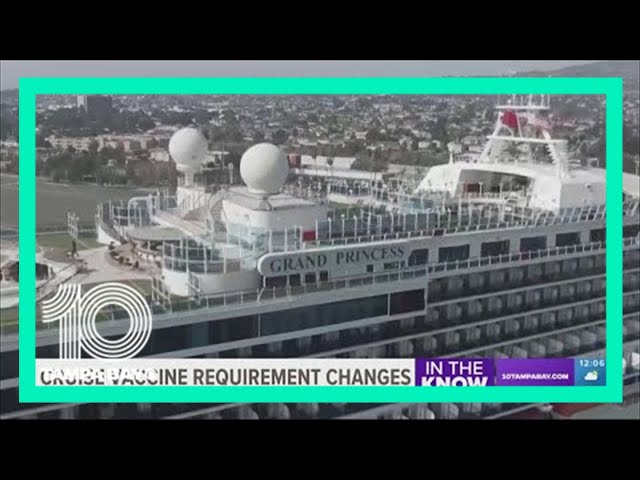
Cruise companies have taken various approaches to requiring vaccinations for passengers, with each line implementing its own policies. For example, Royal Caribbean has announced a phased approach to resuming cruises, with vaccinations required initially and the possibility of the mandate being lifted in the future.
The decision to require vaccinations is a complex one, with cruise lines balancing the desire to provide a safe environment for passengers and crew with the concerns of those who choose not to be vaccinated. Several factors, including the evolving nature of the pandemic, the effectiveness of vaccines, and the legal landscape, are also being considered.
As the debate over vaccine mandates continues, cruise lines are monitoring the situation closely and making adjustments to their policies as new information becomes available. It is important for passengers to stay informed about the latest requirements before planning a cruise.
Do all cruise lines require vaccinations 2022
The decision of whether or not to require vaccinations for passengers is a complex one for cruise lines. They must balance the desire to provide a safe environment for passengers and crew with the concerns of those who choose not to be vaccinated. Several factors are being considered, including the evolving nature of the pandemic, the effectiveness of vaccines, and the legal landscape.
- Passenger safety
- Crew safety
- Legal liability
- Public health
- Economic impact
Cruise lines are monitoring the situation closely and making adjustments to their policies as new information becomes available. It is important for passengers to stay informed about the latest requirements before planning a cruise.
Passenger safety
The safety of passengers is a top priority for cruise lines, especially in light of the ongoing COVID-19 pandemic. Vaccinations are seen as a key measure to protect passengers from the virus and to prevent the spread of disease on board ships.
-
Preventing the spread of disease
Vaccinations can help to prevent the spread of disease by reducing the number of people who are infected with the virus. This is especially important on cruise ships, where passengers are in close contact with each other and with crew members. -
Protecting vulnerable passengers
Some passengers are more vulnerable to severe illness from COVID-19, such as the elderly and those with underlying health conditions. Vaccinations can help to protect these passengers by reducing their risk of infection. -
Maintaining a safe environment
Vaccinations can help to maintain a safe environment on board cruise ships by reducing the number of people who are sick with COVID-19. This can help to prevent outbreaks of the virus and to keep passengers and crew healthy.
Overall, vaccinations are an important part of a comprehensive strategy to protect passenger safety on cruise ships. Cruise lines are taking a variety of steps to ensure that their ships are safe for passengers, including requiring vaccinations, implementing enhanced cleaning and disinfection protocols, and providing medical care on board.
Crew safety
Crew safety is a critical component of the decision by cruise lines to require vaccinations for passengers. Cruise lines have a duty of care to protect the health and safety of their crew members, and vaccinations are seen as a key measure to achieve this.
Vaccinations can help to prevent the spread of disease on board cruise ships, which is important for the safety of both passengers and crew. Crew members are in close contact with passengers and with each other, and they work in a variety of settings, including food preparation, housekeeping, and entertainment. Vaccinations can help to reduce the risk of crew members becoming infected with COVID-19 and spreading the virus to others.
In addition, vaccinations can help to protect crew members from severe illness if they do become infected with COVID-19. Crew members often work long hours in demanding conditions, and they may not have access to the same level of medical care as passengers. Vaccinations can help to reduce the risk of crew members developing serious complications from COVID-19, such as pneumonia, respiratory failure, and death.
Overall, vaccinations are an important part of a comprehensive strategy to protect crew safety on cruise ships. Cruise lines are taking a variety of steps to ensure that their ships are safe for crew members, including requiring vaccinations, implementing enhanced cleaning and disinfection protocols, and providing medical care on board.
Legal liability
Legal liability is a major consideration for cruise lines when deciding whether or not to require vaccinations for passengers. Cruise lines have a duty of care to protect the health and safety of their passengers and crew, and they can be held liable if passengers or crew members become sick or injured as a result of negligence on the part of the cruise line.
-
Negligence
Cruise lines can be held liable for negligence if they fail to take reasonable steps to protect the health and safety of their passengers and crew. This includes failing to require vaccinations or failing to implement other reasonable safety measures. -
Breach of contract
Cruise lines can also be held liable for breach of contract if they fail to fulfill their contractual obligations to their passengers. This includes failing to provide a safe environment or failing to provide the services that were promised. -
Wrongful death
Cruise lines can be held liable for wrongful death if a passenger or crew member dies as a result of negligence or breach of contract. -
Vicarious liability
Cruise lines can be held vicariously liable for the actions of their employees. This means that if an employee of a cruise line causes harm to a passenger or crew member, the cruise line can be held liable even if it did not directly cause the harm.
The legal liability of cruise lines is a complex issue with a number of potential implications. Cruise lines must carefully consider their legal obligations when making decisions about whether or not to require vaccinations and other safety measures.
Public health
Public health is a broad field of study and practice that focuses on the health of entire populations. It is concerned with preventing disease, promoting health, and prolonging life.
-
Disease prevention
One of the most important aspects of public health is disease prevention. This includes preventing the spread of infectious diseases through vaccination, improving sanitation, and promoting healthy behaviors.
-
Health promotion
Public health also focuses on promoting health. This includes encouraging people to eat healthy, exercise, and avoid tobacco and alcohol. It also includes providing access to affordable healthcare and health education.
-
Prolonging life
Public health also works to prolong life. This includes improving the quality of healthcare, reducing the risk of accidents, and promoting healthy aging.
-
Health equity
Public health also works to achieve health equity. This means ensuring that everyone has a fair and just opportunity to be healthy. This includes addressing the social and economic factors that can health, such as poverty, discrimination, and lack of access to healthcare.
The decision of whether or not to require vaccinations for passengers on cruise ships is a complex one that must take into account a number of public health factors. These factors include the risk of disease transmission, the effectiveness of vaccines, and the potential impact on the health of passengers and crew. Cruise lines must carefully weigh these factors when making decisions about vaccination requirements.
Economic impact
The decision of whether or not to require vaccinations for passengers on cruise ships has a significant economic impact. On the one hand, requiring vaccinations can help to reduce the risk of outbreaks of COVID-19 on cruise ships, which can lead to lost revenue for cruise lines. On the other hand, requiring vaccinations can also deter some people from taking cruises, which can also lead to lost revenue.
Cruise lines are carefully considering the economic impact of their vaccination policies. Some cruise lines, such as Royal Caribbean and Carnival Cruise Line, have announced that they will require vaccinations for all passengers on their cruises. Other cruise lines, such as Norwegian Cruise Line and MSC Cruises, have said that they will not require vaccinations for all passengers, but they will strongly encourage them.
The economic impact of cruise lines' vaccination policies is likely to vary depending on a number of factors, including the level of COVID-19 transmission in the communities where the cruise ships are sailing, the vaccination rates of the passengers and crew, and the policies of other cruise lines.
FAQs on vaccination requirements for cruises in 2022
The following FAQs address common questions and misconceptions about the vaccination requirements for cruises in 2022.
Question 1: Do all cruise lines require vaccinations in 2022?
No, not all cruise lines require vaccinations in 2022. However, many major cruise lines, such as Royal Caribbean, Carnival Cruise Line, and Norwegian Cruise Line, have announced that they will require vaccinations for all passengers on their cruises.
Question 2: Which cruise lines do not require vaccinations in 2022?
Some cruise lines that do not require vaccinations for all passengers in 2022 include MSC Cruises, Viking Cruises, and Azamara Cruises. However, these cruise lines may still require vaccinations for passengers on certain cruises, such as cruises to destinations with high levels of COVID-19 transmission.
Question 3: What types of vaccines are accepted by cruise lines?
Most cruise lines accept all COVID-19 vaccines that have been approved by the World Health Organization (WHO). This includes vaccines such as Pfizer-BioNTech, Moderna, Johnson & Johnson, and AstraZeneca.
Question 4: Can I get a refund if I am unable to cruise due to a vaccination requirement?
The refund policies of cruise lines vary depending on the cruise line and the circumstances of the cancellation. Some cruise lines may offer full refunds to passengers who are unable to cruise due to a vaccination requirement, while others may only offer partial refunds or credits for future cruises.
Question 5: What are the consequences of not being vaccinated on a cruise?
The consequences of not being vaccinated on a cruise vary depending on the cruise line. Some cruise lines may deny boarding to passengers who are not vaccinated, while others may allow unvaccinated passengers to board but require them to take additional precautions, such as wearing a mask or taking a COVID-19 test.
Question 6: Where can I find more information about vaccination requirements for cruises?
You can find more information about vaccination requirements for cruises on the websites of the cruise lines. You can also contact the cruise lines directly with any questions.
Summary
The vaccination requirements for cruises in 2022 vary depending on the cruise line. Some cruise lines require vaccinations for all passengers, while others do not. Passengers should check the vaccination requirements of the cruise line before booking a cruise.
Next steps:
For more information on cruise line vaccination requirements, please visit the websites of the cruise lines or contact the cruise lines directly.
Tips for choosing the right cruise line for your vacation
Choosing the right cruise line can be a daunting task, but it's important to do your research to find the line that's the best fit for your needs. Here are a few tips to help you get started:
Consider your budget. Cruise prices can vary widely, so it's important to set a budget before you start shopping. Once you know how much you're willing to spend, you can narrow down your choices.
Think about your interests. What kind of activities do you enjoy? If you're looking for a cruise with plenty of nightlife, you'll want to choose a line that offers a variety of bars and nightclubs. If you're more interested in relaxation, you may want to choose a line that has a spa and other amenities.
Read reviews. Once you've narrowed down your choices, it's a good idea to read reviews of each cruise line. This will give you a good sense of what other passengers have experienced on the line's cruises.
Talk to a travel agent. A travel agent can help you find the best cruise line for your needs and budget. They can also help you book your cruise and make sure that you have everything you need for a great vacation.
Don't be afraid to ask questions. If you have any questions about a particular cruise line, don't be afraid to ask. The cruise line's website or customer service department will be able to answer your questions and help you make a decision.
By following these tips, you can choose the right cruise line for your vacation and have a great time.
Now that you know how to choose the right cruise line, it's time to start planning your vacation. In the next section, we'll provide you with some tips on how to book your cruise and get the best deals.
Conclusion
The decision of whether or not to require vaccinations for passengers on cruise ships is a complex one that involves a number of factors, including the risk of disease transmission, the effectiveness of vaccines, the potential impact on the health of passengers and crew, and the economic impact. Cruise lines are carefully considering all of these factors when making their decisions about vaccination requirements.
Two of the main points that have emerged from this article are that cruise lines are taking a variety of approaches to vaccination requirements and that passengers should check the vaccination requirements of the cruise line before booking a cruise. It is also important to note that the situation is fluid and that cruise lines may change their vaccination requirements at any time.
As the cruise industry continues to recover from the COVID-19 pandemic, it is likely that vaccination requirements will remain a topic of debate. However, one thing is for sure: the health and safety of passengers and crew is the top priority for cruise lines.
Youtube Video:


No comments:
Post a Comment